From Louisiana to Virginia: How GOP Redistricting Is Dismantling Black Voting Power
-
by
 NAACP - AOWSAC
 - No Comments on From Louisiana to Virginia: How GOP Redistricting Is Dismantling Black Voting Power
 NAACP - AOWSAC
Black voting rights in 2026 are under direct assault. From Louisiana to Virginia, Tennessee to Alabama, GOP-led state legislatures are systematically dismantling the congressional districts that give Black voters the power to elect candidates of their choice. The NAACP is fighting back in federal courts across the country.
In Louisiana, a federal court order protecting a majority-Black congressional district was challenged all the way to the Supreme Court and reversed. In Virginia, state lawmakers are advancing redistricting maps that strip Black voters of meaningful electoral influence. NAACP Virginia State Conference leader Gaylene Kanoyton has voiced fierce opposition to the ruling.
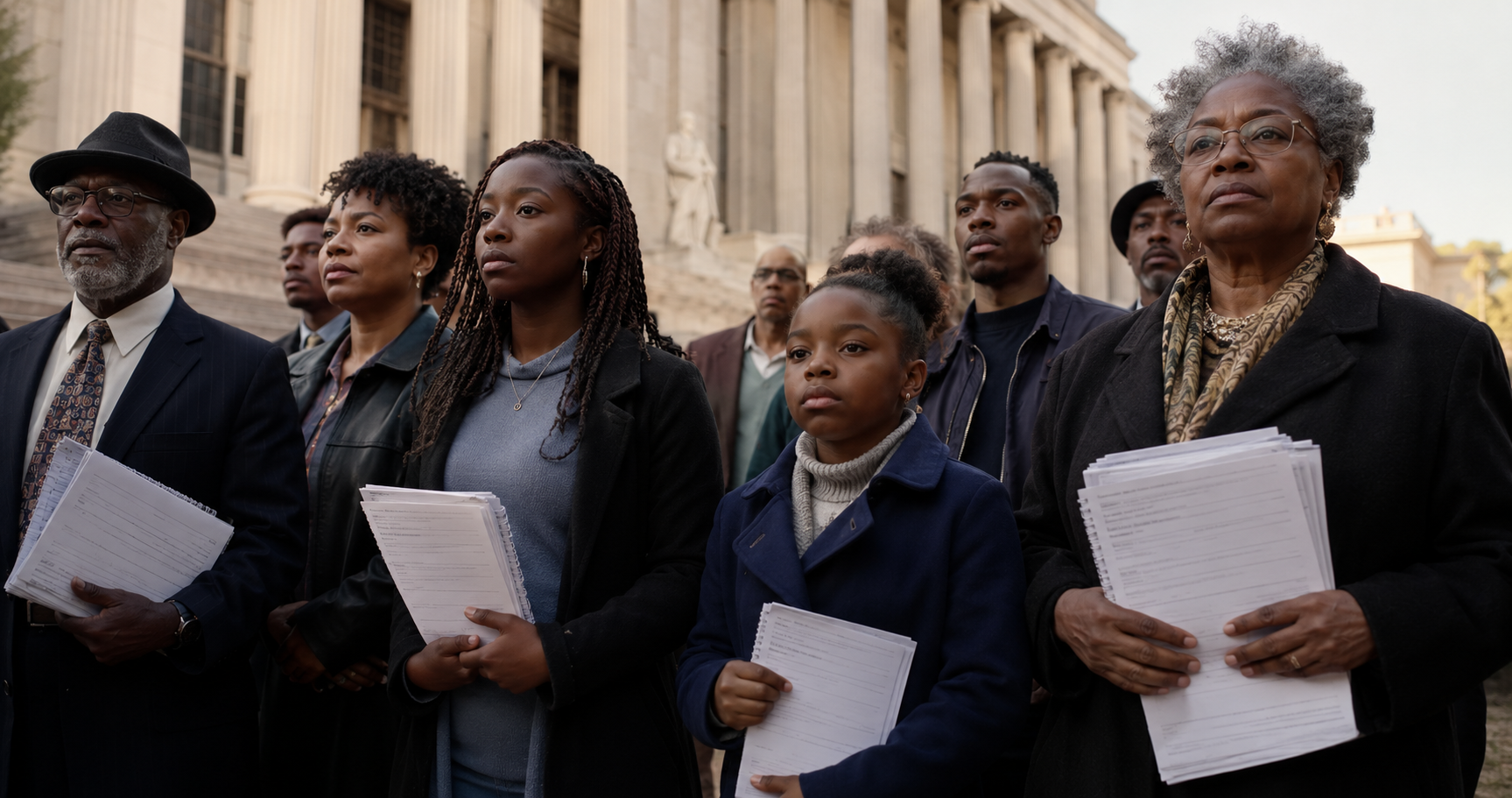
In Tennessee, Republican leaders moved to redraw U.S. House districts while limiting public input, even as hundreds of protesters flooded the state Capitol. NAACP Tennessee State Conference President Gloria Sweet-Love described the moment as a return to a time before the Voting Rights Act existed. In Alabama, the NAACP asked the Supreme Court to block the state’s latest redistricting attempt before it could erase hard-won Black representation.
NAACP General Counsel Kristen Clarke stated on national television that what is happening across the Deep South amounts to legislative Jim Crow. Black voting rights in 2026 face their most serious threat since the original passage of the Voting Rights Act.
How the Supreme Court Is Making Black Voting Rights in 2026 Harder to Defend
The Supreme Court’s ruling in Alexander v. South Carolina State Conference of the NAACP raised the bar for proving racial gerrymandering. The Court required challengers to disentangle race and politics, a near-impossible standard that gives discriminatory mapmakers legal cover. As the American Constitution Society’s analysis makes clear, the majority substituted its own political reading for a factual record built over weeks of trial testimony.
The Court’s Louisiana gerrymandering ruling reversed a lower court’s protection of Black voting power and set a precedent that has rippled through state legislatures nationwide. The consequences for Black voting rights in 2026 are severe. Every congressional seat shifted away from a majority-Black district is a seat that no longer needs to be responsive to Black communities on health equity, criminal justice reform, and economic opportunity.
The Equal Justice Initiative has documented how voter suppression and discriminatory districting have historically been deployed together to neutralize Black political power. The current redistricting wave fits directly into that pattern. With the 2026 midterms approaching, the maps being drawn today will shape congressional power for the next decade.
Black Voting Rights in 2026: What It Means for Alaska, Oregon, and Washington
For Black communities in Alaska, Oregon, and Washington, this is not a distant fight. The erosion of voting rights protections nationally emboldens similar strategies in every region. Our states are not immune to gerrymandering, and the precedents being set in Southern courtrooms today will shape what is permissible in Pacific Northwest redistricting tomorrow.
The NAACP AOWSAC stands with every community fighting to protect Black voting rights in 2026. We urge all community members to stay informed, engage with NAACP AOWSAC Race and Justice resources, contact their elected officials, and support the organizations challenging these maps in court. Our votes are our power. This fight belongs to all of us.
Membership powers civil rights work across Alaska, Oregon, and Washington.
Frequently Asked Questions: Black Voting Rights 2026
1. Why are Black voting rights in 2026 under threat?
GOP-led state legislatures are redrawing congressional maps to dilute Black voting power before the 2026 midterms. Combined with Supreme Court rulings that raised the legal bar for challenging gerrymandering, Black communities are losing districts where they could elect representatives of their choice.
2. What is racial gerrymandering?
Racial gerrymandering is the practice of drawing district boundaries to dilute the voting power of a racial group. It can work by spreading Black voters across many districts so they are a minority in each, or by packing them into one district to limit their influence elsewhere. Both strategies undermine Black voting rights in 2026 and beyond.
3. Which states are the most active redistricting battlegrounds?
Louisiana, Virginia, Tennessee, and Alabama are the most contested states as of 2026. In each, Republican-led legislatures have advanced maps that the NAACP argues eliminate or severely dilute Black congressional representation. The NAACP has responded with federal lawsuits, emergency injunctions, and Supreme Court petitions.
4. How do Southern redistricting battles affect voters in the Pacific Northwest?
Federal court precedents apply nationwide. If courts allow discriminatory maps to stand in the South, it creates legal cover for similar tactics in Alaska, Oregon, and Washington. Protecting Black voting rights in 2026 requires vigilance at every level, in every region.
5. What can I do to protect Black voting rights in 2026?
Contact your congressional representatives and demand strong federal voting rights protections. Support the NAACP and organizations litigating against discriminatory maps. Register to vote and participate in every election. Amplify these issues in your community, church, and workplace because awareness and collective pressure are the first lines of defense.