Healing Where We Learn: How Garfield High School’s Therapists of Color Are Revolutionizing Mental Health for Black Youth
-
by
 NAACP - AOWSAC
 - No Comments on Healing Where We Learn: How Garfield High School’s Therapists of Color Are Revolutionizing Mental Health for Black Youth
 NAACP - AOWSAC
Let’s talk about the invisible backpacks our young people carry to school every single day. They are filled with the weight of academic pressures, societal expectations, and, too often, the unaddressed trauma of navigating the world as Black youth. But right here in Seattle, a profound shift is happening. At Garfield High School, the narrative is changing from mere survival to holistic thriving, thanks to a deeply intentional school-based mental health center.
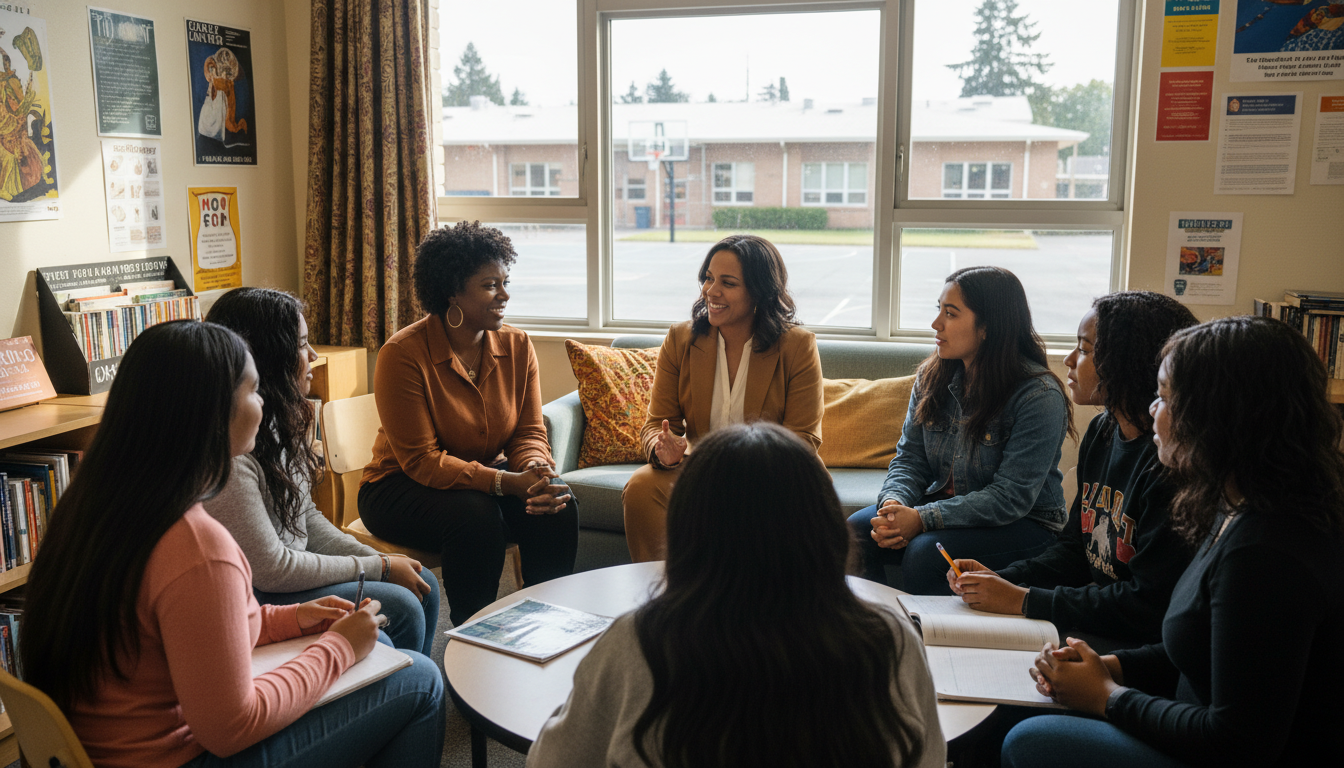
This isn’t just your average clinic. Led by dedicated therapists of color, this program is standing directly at the intersection of academic achievement and mental well-being. For decades, clinical support has carried a heavy stigma within the Black community – a stigma born from systemic medical racism and a cultural necessity to project unyielding strength. The professionals at Garfield are dismantling these walls brick by brick, providing culturally competent care that tells our kids: it is okay not to be okay, and you don’t have to heal alone.
The impact of this lifeline cannot be overstated. We are looking at a documented mental health crisis among adolescents nationwide, and our youth are often hit the hardest by the lack of accessible, empathetic care. By placing therapists of color directly inside the school ecosystem, Garfield High School has eliminated the logistical barriers and the fear of the unknown. Students can walk down the hall and see a professional who looks like them, understands their cultural nuances, and speaks their language of resilience.
This is about more than just boosting test scores; it is a fundamental issue of civil rights and health equity. When we support the mental health of our next generation, we are empowering them to lead, innovate, and disrupt cycles of generational trauma. The work being done in Seattle’s Central District is a brilliant beacon of what education innovation looks like when it centers the humanity of Black students. It is a model that demands replication across Washington, Oregon, and Alaska.
As we celebrate these vital steps toward inclusive health and well-being, we must also advocate for their expansion. The therapists at Garfield High School are doing the heart-work, proving that when we invest culturally and emotionally in our youth, we secure a healthier, more powerful future for the entire community.
Membership powers civil rights work across Alaska, Oregon, and Washington.
Frequently Asked Questions
1. Why are school-based mental health centers critical for Black youth?
They provide immediate, accessible care in a familiar environment. By removing transportation and scheduling barriers, students can receive consistent support. Crucially, it normalizes mental health care as a standard part of their educational journey.
2. How do therapists of color change the dynamic of mental health support?
Representation in clinical settings builds immediate trust. Therapists of color bring a shared cultural understanding that allows Black students to feel seen and validated, bypassing the need to explain their foundational cultural experiences before receiving help.
3. What makes this an issue of civil rights and justice?
Access to quality, culturally competent healthcare is a fundamental human right. Addressing the mental health crisis among Black adolescents equips them with the emotional tools necessary to self-advocate, succeed academically, and lead in their communities.